
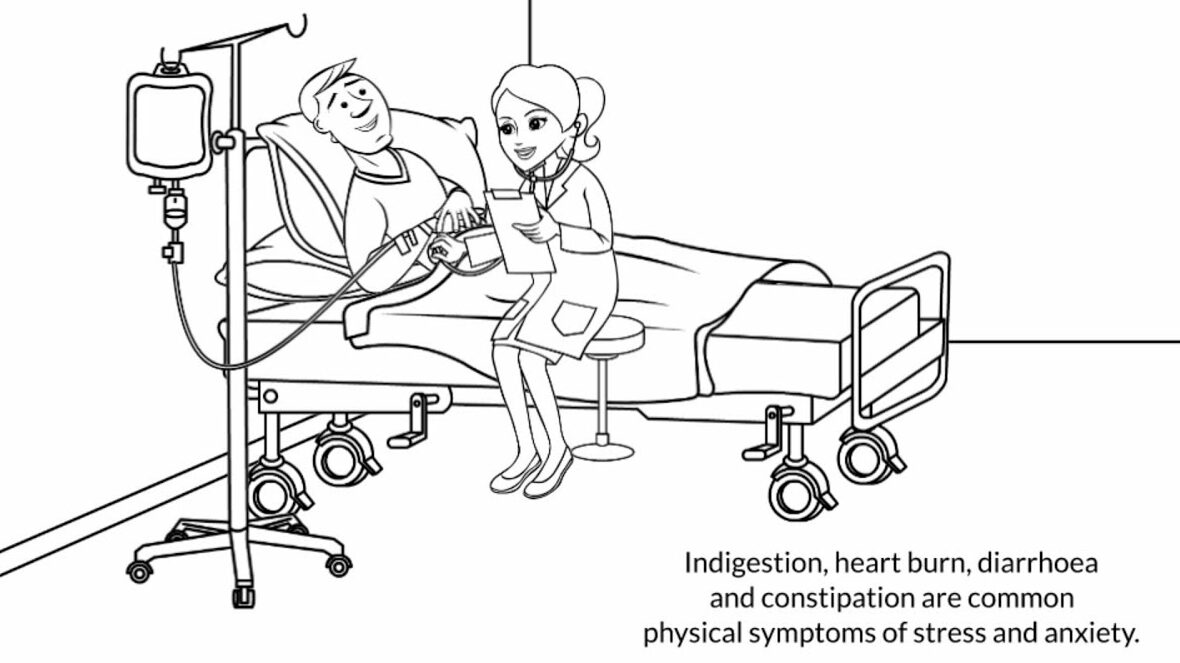
Stress and anxiety can affect digestion through the gut–brain connection.
Many people experience anxiety and digestive issues without immediately realising that the brain and digestive system are closely connected through what scientists call the gut–brain axis.
A common question people ask is: can anxiety cause digestive problems? This often arises when symptoms such as indigestion, bloating, or stomach pain appear during periods of stress.
Digestive symptoms such as indigestion, bloating, nausea, stomach pain, or IBS-type symptoms frequently occur during times of anxiety. Some people notice their stomach becoming unsettled before presentations, important meetings, or other high-pressure situations.
This happens because the gut and brain constantly communicate through the gut–brain axis. When the body enters a stress response, digestion can slow or become more sensitive, leading to uncomfortable digestive symptoms.
Understanding this connection helps explain why stress and anxiety often affect the stomach.
In this short video, I explain how stress and anxiety can affect digestion and why many people experience stomach symptoms during periods of pressure.
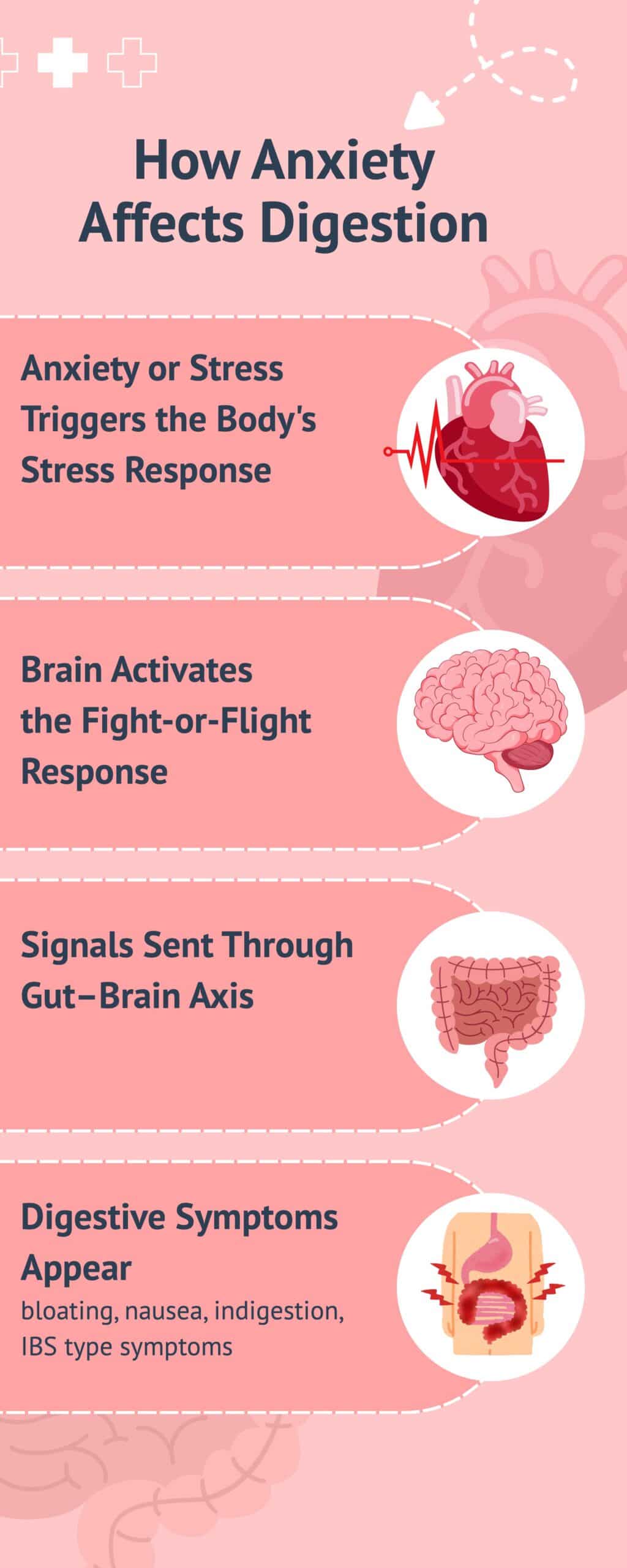
Anxiety can influence digestion through signals between the brain and the gut.
- the brain
- the nervous system
- the digestive system
- the immune system
- gut bacteria
Why anxiety causes digestive symptoms
When your brain senses a threat, whether it’s real danger or just nerves before a presentation, it sets off the fight-or-flight response. This is your nervous system’s built-in way to help you survive by focusing on what matters most in a crisis. Your heart beats faster, your muscles tighten, and your breathing gets quicker. At the same time, your body decides what can wait. Since digestion uses a lot of energy, your system puts it on hold if it thinks you might need to escape quickly.
At the same time, your adrenal glands release cortisol, which is the main stress hormone in your body. Short bursts of cortisol are normal and not a problem, but when stress lasts a long time, like during ongoing work pressure, high cortisol can start to affect your gut. It changes the balance of bacteria in your gut, makes your intestines more permeable, and can make the nerves in your digestive tract more sensitive. This can turn normal gut feelings into discomfort or even pain.
That’s why stress often leads to nausea, bloating, cramps, or changes in digestion. The gut and brain are always talking to each other through the vagus nerve, which is so important that people sometimes call the gut “the second brain.” When you feel ongoing emotional stress, your gut picks up on it just like your mind does. For many people, what seems like a stomach issue is really the body’s natural reaction to a nervous system that hasn’t had a chance to relax.
Common digestive symptoms linked to anxiety
People experiencing anxiety may notice symptoms such as:
-
-
Indigestion – Anxiety can increase stomach acid and slow digestion.
-
Nausea – The gut reacts quickly to emotional stress.
-
Bloating – Stress disrupts normal digestive rhythm.
-
Stomach pain – Anxiety can increase sensitivity in the gut.
-
IBS symptoms – Stress is a common trigger for IBS flare-ups.
-
Diarrhoea – Fight-or-flight can speed up digestion.
-
Constipation – Ongoing stress can slow gut movement.
-
Why symptoms often appear during pressure
Anxiety symptoms usually don’t appear out of nowhere. Many people find their symptoms worsen at certain times, such as before a big presentation, right before an interview, when they expect to be called on in a meeting, or just before speaking in front of others. This is the nervous system’s way of reacting to what it sees as a threat. For people who worry about how they perform or how others see them, these moments feel dangerous, even if they know they’re ready.
The body does not wait for us to reassure ourselves. It reacts to a deeper feeling that something important—like reputation, approval, or belonging—might be at stake. That’s why your stomach might tighten, you might feel nauseous, or your gut might cramp. These aren’t signs of a medical problem, but reminders of how closely the mind and body are linked.
Breaking the stress-digestive cycle
Have you ever felt so anxious that you got butterflies in your stomach, or even had to cancel plans because your gut acted up? If so, you already know how much stress can affect your body.
It’s easy to forget that your body isn’t reacting to what’s really happening, but to what things mean to you. Your mind wants to keep you safe, so if it sees something as dangerous, your body reacts right away. That’s why public speaking can feel scarier than facing a bear. Even though one is much more dangerous, if your mind thinks a presentation is a threat, your body will respond. Your digestion slows down, your stomach tightens, and if this keeps happening, stress can turn into ongoing stomach problems.
To break this cycle, you need to work with your subconscious, where these patterns start. Calming your nervous system with breathwork, rest, or lifestyle changes can help for a while. But if you don’t address the belief behind the anxiety, the symptoms usually come back. I often see this mind-body link with clients who struggle with anxiety—their digestive system is usually the first sign that something deeper needs attention.
Stress and anxiety aren’t permanent; they are more like a heavy coat you’ve worn for so long it feels like part of you. The real work is gently taking it off and discovering your true self underneath. So let’s arrange a call and see how I can assist.
When to seek support
If anxiety affects your body before meetings, presentations or high-pressure work situations, you may also find my page on presentation anxiety at work useful.
Claire Bulman | RTT Therapist & Performance Coach
Helping qualified professionals overcome:
- Imposter syndrome at work
- Fear of speaking up in meetings
- Self-doubt despite proven expertise
- Being overlooked for promotion
MSc Psychology | Clinical Hypnotherapist | 20+ Years Corporate Experience